
Loading views...
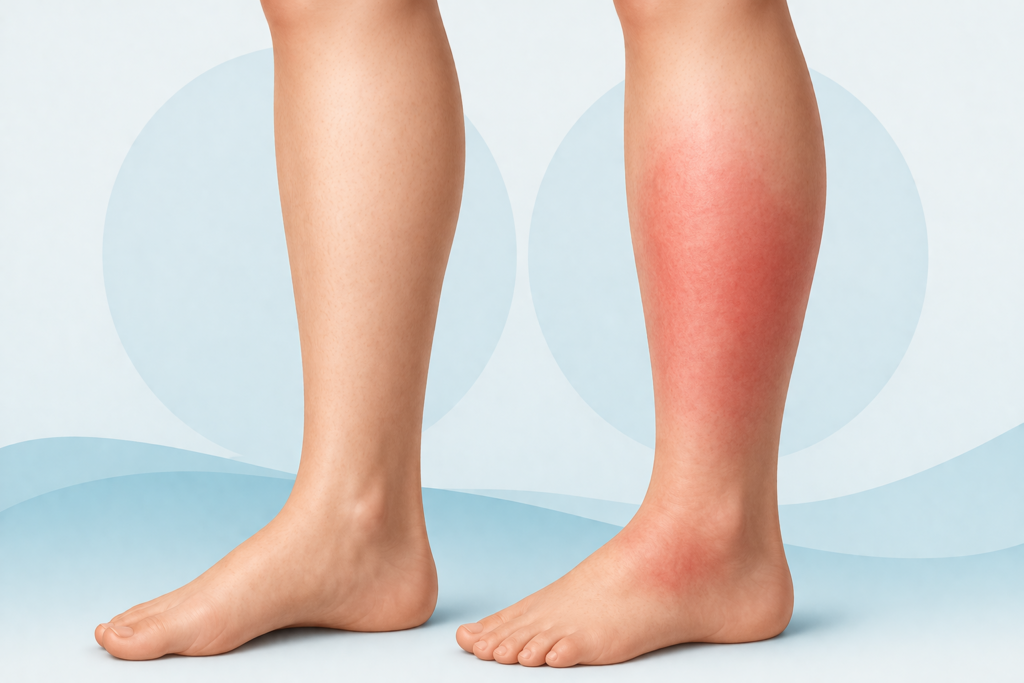
Cellulitis symptoms can appear suddenly, often starting with redness and swelling that may feel worrying. However, in many cases, early recognition helps you take calm and effective steps before the condition worsens. In simple terms, cellulitis affects the deeper layers of the skin and often starts from something small, like a cut or insect bite. As a result, understanding what to look for can help you respond early and avoid unnecessary anxiety.What are cellulitis symptoms?
Cellulitis symptoms include redness, warmth, swelling, and pain in one area of the skin. It often starts from a small cut or bite. Early care includes cleaning the area and monitoring symptoms, but spreading redness, fever, or worsening pain requires medical attention.
👉 Not sure if your skin change is an infection?
Explore our guide to common skin infections to better understand what you’re seeing.
What It Is (Understanding Cellulitis Symptoms)
Cellulitis is a bacterial infection of the deeper layers of the skin. It usually begins when bacteria enter through a small break in the skin. This can be something as minor as a scratch, cracked skin, or an insect bite. Once inside, the infection may spread under the skin surface. Understanding this helps explain why cellulitis can sometimes seem to appear suddenly—even when the initial injury was small.
🔍 Quick Self-Check
- Is your skin red, warm, and slightly swollen?
- Did it start near a cut, bite, or dry skin area?
- Is the redness gradually spreading?
- Is your skin red, warm, and slightly swollen?
- Did it start near a cut, bite, or dry skin area?
- Is the redness gradually spreading?
What Cellulitis Symptoms Look or Feel Like
Recognizing early changes can help you decide what to do next.Mild Symptoms
- Localized redness
- Warmth in one area
- Mild swelling
- Tender or slightly painful skin
More Noticeable Symptoms
As the condition progresses, you may notice:- Redness that spreads outward
- Increasing pain or tightness
- Skin that feels firm or stretched
- Feeling generally unwell
- Possible mild fever
Common Causes of Cellulitis
Cellulitis often develops from everyday skin issues. These include:- Small cuts, scratches, or wounds
- Insect bites or stings
- Cracked or dry skin
- Skin conditions like eczema
- Nail infections such as paronychia (infection around the nail)
- Poor wound care
- Conditions that reduce immunity
👉 Want to reduce your risk of skin infections?
Learn simple daily habits in our skin infection prevention guide.
How to Manage Cellulitis Symptoms at Home
Once you notice early symptoms, simple care steps can help you manage the situation safely. For a step-by-step guide on what you can safely do at home, see our skin infection home care guide.
🟢 What You Can Do at Home
For additional general guidance, you can also review advice from trusted sources like the NHS overview of cellulitis.
- Gently clean the area with clean water
- Keep the skin clean and dry
- Rest the affected area where possible
- Elevate the limb to reduce swelling
- Avoid scratching or squeezing
- Monitor changes over 24–48 hours
When Cellulitis Symptoms Need Medical Attention
While mild symptoms can be monitored, certain signs should prompt medical attention.
⚠️ When to Seek Medical Care
Seek care if you notice:
- Redness that is spreading quickly
- Fever or chills
- Severe or worsening pain
- Visible pus that does not drain
- Symptoms lasting more than a few days
- You have diabetes or weakened immunity
Possible Complications of Cellulitis
If not addressed early, cellulitis may lead to:- Spread of infection to deeper tissues
- Abscess formation
- Recurrent infections
- Rarely, infection entering the bloodstream
👉 Trying to understand infections that start near the nails?
Read our paronychia guide to see how small infections can spread if not managed early.
Conclusion: Understanding Cellulitis Symptoms Early
Cellulitis may begin with a small and easily overlooked skin change, but it can become more noticeable if it spreads. The key is to recognize early symptoms, take simple care steps, and monitor closely. Most importantly, knowing when to seek help allows you to act confidently without unnecessary worry.FAQs About Cellulitis Symptoms
What does cellulitis look like?Cellulitis often appears as a red, swollen patch that may expand and feel warm or painful.
Can cellulitis go away on its own?
Some mild cellulitis symptoms may improve early, but many cases require medical evaluation.
How fast does cellulitis spread?
Cellulitis can spread over hours to days, so early monitoring is important.
Can a small cut cause cellulitis?
Yes. Even a minor break in the skin can allow bacteria to enter and cause cellulitis symptoms.