
Not sure what this skin condition is?
Try our Skin Symptom Checker to understand possible causes.
Loading views...
A rash and a skin infection can look similar at first. However, they are different conditions. Knowing the difference helps you take safe first steps and avoid unnecessary worry.
Quick answer: A rash is usually itchy and mild, while a skin infection is often painful, swollen, warm, and may spread.
Most rashes are mild and stay the same. Infections often worsen if not treated. Understanding this early can help you stay calm and act appropriately.
Reassurance: Many rashes are harmless and settle on their own. Not every skin change means an infection. Paying attention to symptoms helps you make safe decisions.
👉 Not sure what your skin symptoms mean?
Use this simple skin symptom checker guide to get clarity.
What Is the Difference Between a Rash and an Infection?
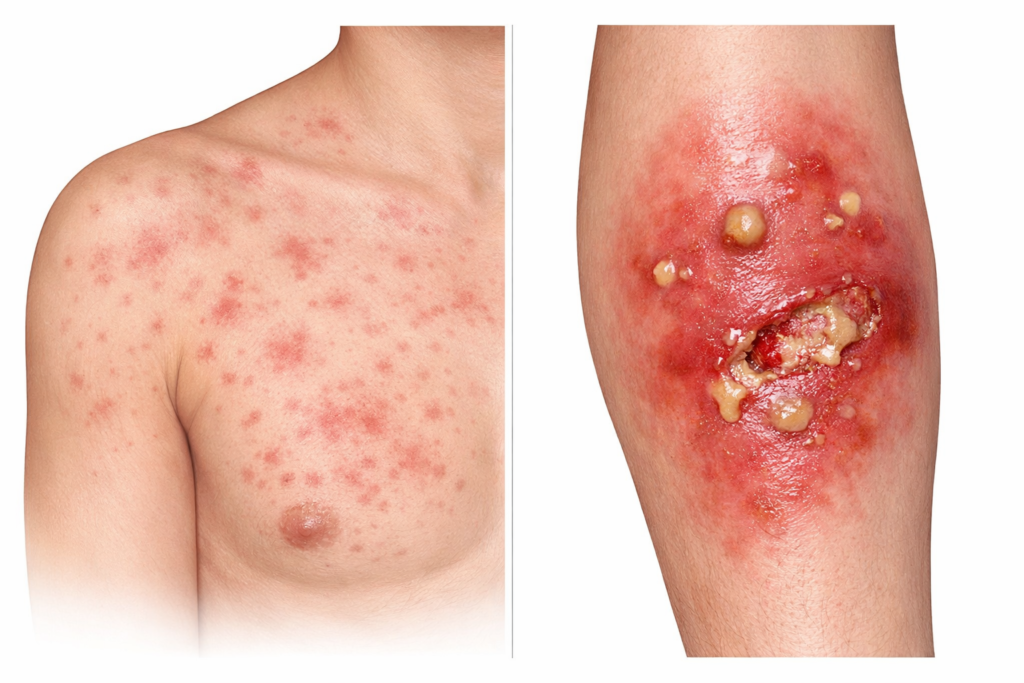
A rash is a change in the skin’s appearance. It may involve redness, dryness, bumps, or itching. Rashes often come from irritation, allergies, or common skin conditions.
A skin infection happens when germs enter the skin. These may include bacteria, fungi, or viruses. Infections often cause pain, swelling, and sometimes pus.
Quick self-check:
- Itchy but not painful – Likely a rash
- Painful, warm, or swollen – May be infection
- Spreading redness or pus – Needs attention
Rash vs Infection: Quick Comparison You Can Scroll
In simple terms: rashes are usually itchy and mild, while infections are often painful, warm, and may spread.
👉 Swipe left to view full comparison
| Feature | Rash | Infection |
|---|---|---|
| Main feeling | Itchy or irritated | Painful or tender |
| Appearance | Red, dry, or bumpy | Swollen, red, sometimes shiny |
| Spread | Usually stays in one area | May spread quickly |
| Fluid | Rare | May have pus or discharge |
| Temperature | Normal skin temperature | Feels warm or hot |
| General symptoms | Usually none | May include fever or fatigue |
Simple Patterns to Notice
- Itchy + dry – often a rash
- Painful + swollen – may be infection
- Spreading + worsening – needs attention
- Stable + improving – likely mild
What It Looks or Feels Like
Mild rash:
- Red or darker patches
- Dry or flaky skin
- Itching
- Small bumps
More noticeable infection:
- Pain or tenderness
- Swelling or warmth
- Pus or fluid
- Spreading redness
Where They Commonly Appear
- Rashes: can appear anywhere, often on both sides of the body
- Infections: often start in one spot, such as a cut, wound, or nail area
Common Causes
Rashes may be caused by:
- Allergic reactions
- Heat or sweating
- Dry skin
- Common conditions like eczema
Infections may be caused by:
- Bacteria entering broken skin
- Fungal growth in moist areas
- Viruses affecting the skin
- Poor wound care
What You Can Safely Do First
Start with gentle care that supports healing.
- Keep the area clean and dry
- Avoid scratching or picking
- Use mild, fragrance-free products
- Wear loose clothing
- Apply cool compresses for comfort
Home care tip: If the skin is itchy but not painful, focus on soothing it. If pain or swelling develops, monitor closely for possible infection.
To better understand common irritation triggers, you can explore dry skin and irritation causes.
👉 Want to recognize early warning signs?
Learn more about early signs of skin infection in simple terms.
When to See a Doctor
Seek medical advice if you notice any of the following:
- Spreading redness
- Fever
- Severe or worsening pain
- Visible pus not draining
- Symptoms lasting more than a few days
- If you have diabetes or a weakened immune system
Important: Pain, swelling, and spreading redness are warning signs. These may suggest an infection that needs medical review.
Complications (If Relevant)
If ignored, some infections may worsen over time.
- Spread deeper into the skin
- Increased swelling and discomfort
- Slower healing
For general guidance, see CDC skin condition resources.
Conclusion
Rashes are usually itchy and mild. Infections tend to be painful and may spread. Paying attention to these patterns helps you decide what to do next.
Start with simple care. If symptoms worsen or do not improve, seek medical advice.
This guide helps you understand your skin. It does not replace medical care.
👉 Still unsure what you’re dealing with?
Explore our full skin conditions guide for clear explanations.
FAQs
Yes. Broken skin from scratching can allow germs to enter.
If it does not improve after a few days, seek advice.
If it becomes painful, swollen, warm, or produces pus, it may be infected.
No. Some are mild, but they should still be monitored.