
Not sure what this skin condition is?
Try our Skin Symptom Checker to understand possible causes.
Loading views...
Many people notice that an infection around the skin next to the nail, often related to paronychia, seems to heal, then return again weeks or months later. This pattern can be frustrating and sometimes worrying.
A recurrent nail fold infection usually happens because the delicate skin around the nail continues to experience irritation or moisture exposure. When the protective barrier of the nail fold breaks down repeatedly, germs can enter the area again.
The good news is that these infections are often linked to everyday habits or environmental factors. Understanding the common triggers can help reduce how often nail infections return.
What It Is
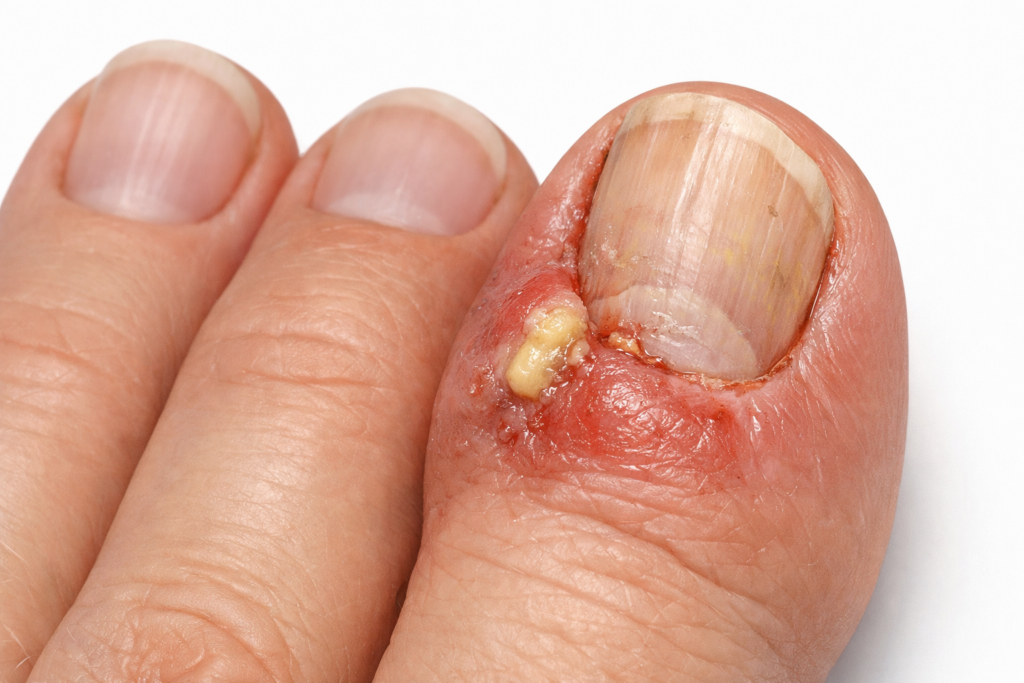
A recurrent nail fold infection occurs when the skin surrounding the nail becomes inflamed or infected multiple times.
The nail fold is the small ridge of skin that protects the base and sides of the nail. It acts as a natural barrier that helps prevent bacteria and other microbes from entering the skin.
When the nail fold becomes damaged, irritated, or constantly moist, that protective barrier weakens. This allows germs to enter the skin more easily and cause infection again.
Repeated infections around the nail are sometimes associated with a condition called paronychia, where the nail fold stays irritated for long periods of time.
What It Looks or Feels Like
Mild Symptoms
Early or mild episodes of nail fold infection may include:
- Slight redness around the nail fold
- Mild swelling near the cuticle
- Tenderness along the nail edge
- Sensitivity when touching the area
These symptoms may improve for a short time before returning again.
More Noticeable Symptoms
When infections occur repeatedly, symptoms may become more noticeable:
- A nail infection that keeps returning in the same finger
- Persistent swelling around the nail fold
- Skin pulling slightly away from the nail
- Changes in nail growth such as ridges or uneven texture
Repeated irritation may also make the nail fold appear thicker or more sensitive over time.
Common Causes of Recurrent Nail Fold Infection
Several everyday habits or exposures can cause repeated nail infections around the nail fold.
Common causes include:
- Frequent exposure to water or moisture
- Nail biting or cuticle picking
- Minor injuries around the nail
- Aggressive manicures or cuticle trimming
- Exposure to cleaning chemicals or detergents
- Jobs that involve frequent hand washing
- A previous nail infection that did not fully heal
When these factors occur repeatedly, the nail fold may not have enough time to recover between episodes.
Why Nail Infections Keep Coming Back
A nail infection that keeps coming back usually means the protective barrier around the nail is being repeatedly disrupted.
Some of the most common reasons include:
- Constant moisture around the nail fold
- Damage to the cuticle barrier
- Repeated irritation from cleaning products
- Ongoing trauma from nail biting or picking
When the cuticle barrier is weakened, germs can enter the skin more easily. Even small breaks in the skin can allow infection to return. For general medical background on nail infections, see dermnet NZ guidance on paronychia.
What You Can Safely Do First
If you notice a recurring infection around the nail, simple protective steps may help the skin recover.
Safe first-care steps include:
- Keeping the affected nail clean and dry
- Avoiding cutting or pushing back the cuticle
- Wearing protective gloves during cleaning or dishwashing
- Allowing the nail fold time to heal without repeated irritation
- Avoiding nail biting or skin picking
- Gently drying hands after washing
These measures help restore the natural barrier around the nail and reduce the chance of repeated infection.
You may also find helpful guidance in Home Care for Mild Nail Infections.
When to See a Doctor
Most nail fold infections are mild. However, medical evaluation may be important if symptoms worsen or do not improve.
Seek medical care if you notice:
- Spreading redness around the finger
- Fever
- Severe or worsening pain
- Visible pus that does not drain
- Symptoms lasting more than a few days
- Repeated infections affecting multiple nails
- Diabetes or a weakened immune system
If infections continue to return, a healthcare professional can help determine possible underlying causes.
You may also want to read When to See a Doctor for a Nail Infection for additional guidance.
Possible Complications
Most recurrent nail fold infections remain mild. However, repeated irritation can sometimes lead to longer-term nail fold inflammation.
Possible complications may include:
- Chronic paronychia
- Persistent swelling of the nail fold
- Changes in nail shape or nail ridging
- Increased nail sensitivity
Rarely, untreated infections may spread deeper into nearby tissue.
More information can be found in Complications of Paronychia.
Conclusion
A recurrent nail fold infection often happens when the protective skin around the nail is repeatedly irritated by moisture, trauma, or cuticle damage.
Protecting the nail fold and reducing irritation can help break the cycle of infections that keep coming back. Additional educational information is also available from Cleveland Clinic’s overview of paronychia.
If the infection continues to return or becomes more severe, a healthcare professional can help evaluate the situation and recommend appropriate care.
FAQs
Nail infections may return when the protective skin barrier around the nail is repeatedly damaged by moisture, irritation, or small injuries.
Not always. However, frequent nail fold infections may eventually develop into chronic paronychia if irritation continues over time.
Yes. Nail biting can damage the cuticle and create small breaks in the skin that allow infection to return.
Mild nail fold infections often improve within a few days when the area is kept clean and protected from irritation.
Frequent washing can soften the skin around the nail, which may increase the risk of nail fold irritation and infection.
Educational Disclaimer
This article is for educational purposes only and does not replace professional medical care. If you are unsure about your symptoms, consult a qualified healthcare provider.