
Not sure what this skin condition is?
Try our Skin Symptom Checker to understand possible causes.
Loading views...
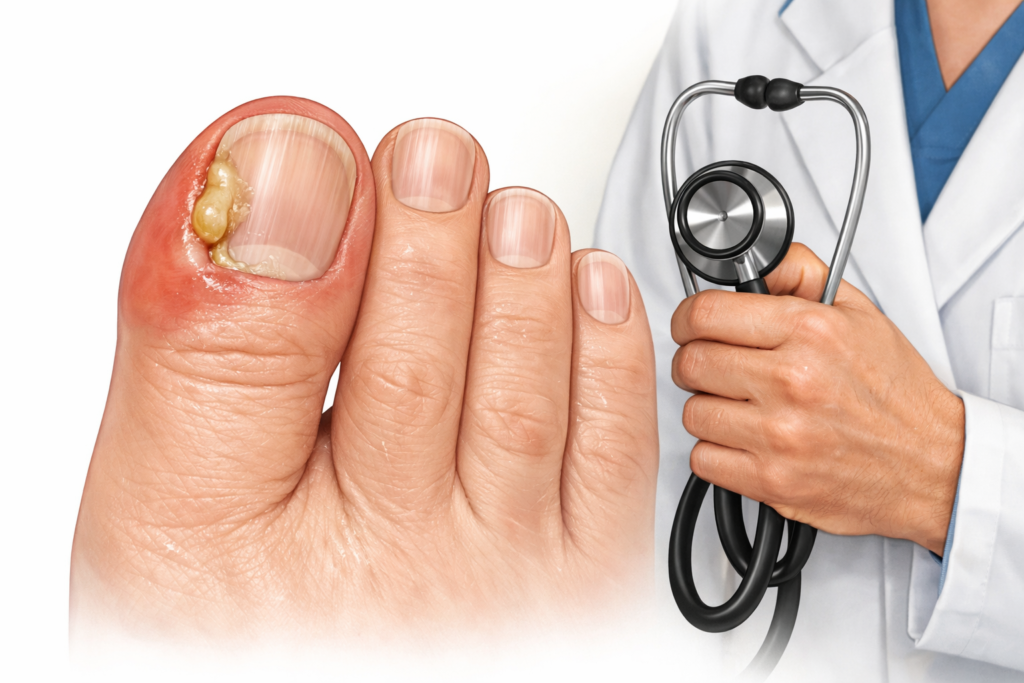
A nail infection may need medical attention if you notice spreading redness, severe or worsening pain, visible pus that does not drain, fever, or symptoms lasting more than a few days. People with conditions such as diabetes or weakened immunity should seek medical advice sooner.
Many mild nail infections start with redness or swelling around the nail fold and may improve with simple care. However, recognizing the warning signs that a nail infection is becoming serious can help prevent complications and ensure the problem is treated safely.
This guide explains how to know if a nail infection is serious, when to see a doctor for paronychia or other nail infections, and which symptoms should not be ignored.
Helpful Nail Protection Tool
Some people use waterproof gloves during chores to reduce irritation around the nail.
View Popular OptionsWant to understand how nail infections start and why they happen? Learn more about paronychia and nail infections explained simply.
What It Is
A nail infection occurs when bacteria or fungi enter the skin around or under the nail. This usually affects the nail fold, which is the skin that borders the nail. For a general medical overview of this condition, see the NHS overview of paronychia and nail infections.
One of the most common nail infections is paronychia, a condition involving inflammation or infection of the nail fold and cuticle. Paronychia can affect either fingernails or toenails and may appear suddenly or develop gradually over time.
Nail infections may involve:
- The nail fold (paronychia infection)
- The cuticle
- The surrounding skin
- Occasionally the nail plate
Most nail infections begin with mild irritation but may become more uncomfortable if swelling and trapped fluid develop.
What It Looks or Feels Like
Mild Symptoms
Early nail infections are often mild and localized around the nail fold. Symptoms may include:
- Slight redness around the nail fold
- Mild swelling around the nail
- Tenderness when pressing the skin beside the nail
- Warm skin near the nail
- Mild discomfort when using the finger or toe
At this stage many people search questions such as “how to know if a nail infection is serious” or whether the infection will improve on its own.
More Noticeable Symptoms
As the infection progresses, symptoms may become more obvious. Signs may include:
- Increasing swelling around the nail
- Throbbing or pulsating pain
- Tight or shiny skin around the nail fold
- Yellow or cloudy area suggesting trapped fluid
- Difficulty using the finger or walking comfortably if a toe is affected
These symptoms can occur in both bacterial nail infections and fungal nail infections, although bacterial infections often develop more quickly.
Common Causes
Several everyday situations can allow bacteria or fungi to enter the nail fold and trigger infection.
Common causes include:
- Nail biting
- Picking or trimming the cuticle
- Frequent hand washing or prolonged moisture exposure
- Minor injuries near the nail
- Aggressive manicures or pedicures
- Ingrown toenails
- Skin irritation around the cuticle
These small breaks in the skin can allow microbes to enter and cause nail fold inflammation. Some infections may also involve fungi that affect skin and nails, as explained in the CDC information on fungal infections affecting skin and nails.
What You Can Safely Do First
If symptoms are mild and localized, simple conservative care may allow the body to resolve the infection naturally.
Safe first-care steps may include:
- Keeping the affected finger or toe clean
- Protecting the nail fold from further irritation
- Avoiding nail biting or picking the cuticle
- Keeping hands or feet dry when possible
- Avoiding tight footwear if a toe is affected
A soft nail cleaning brush can support gentle hygiene.
Protective waterproof gloves may help during washing or cleaning.
Many mild cases of early paronychia treatment and care situations improve when irritation stops and the area is protected.
However, symptoms should still be monitored for signs that the infection is worsening.
If your symptoms are still mild, you may find it helpful to explore simple ways to care for the nail at home.
See our guide on safe home care for early nail infections.
When to See a Doctor for a Nail Infection
While many mild infections improve with basic care, certain symptoms suggest the infection may require medical evaluation. These nail infection warning signs should not be ignored.
Spreading Redness
If redness spreads beyond the nail fold or into the finger or toe, the infection may be extending into surrounding skin.
Searches such as “nail infection spreading redness” often reflect this stage.
Severe or Worsening Pain
Pain that becomes intense or continues to worsen may indicate increasing pressure within the infected area.
Many people search “painful nail infection when to seek help” when this occurs.
Visible Pus That Does Not Drain
A yellow or white fluid collection near the nail fold may indicate trapped infection.
Online searches often describe this as “pus around the nail fold” or “nail infection with pus”.
If the fluid does not drain naturally, medical care may be needed.
Fever or Feeling Unwell
Fever or feeling generally unwell together with a nail infection may suggest the infection is affecting more than the local skin.
Although uncommon, this situation should be evaluated by a healthcare professional.
Symptoms Lasting More Than a Few Days
If symptoms persist or continue worsening after several days, it may be time to seek medical advice.
Common searches include:
- “how long should a nail infection last before seeing a doctor”
- “nail infection not getting better what to do”
Persistent symptoms often indicate the infection needs evaluation.
Higher-Risk Individuals
Certain people should seek medical advice earlier for a nail infection.
This includes individuals with:
- Diabetes
- Weakened immune systems
- Circulation problems
- Frequent nail infections
In these situations even a small infection can become more difficult to control.
Possible Complications
Most nail infections remain mild, but untreated infections may sometimes worsen.
Possible complications include:
- Deeper skin infection
- Persistent nail fold inflammation
- Nail plate damage or temporary nail deformity
- Chronic paronychia
- Recurrent infections
Recognizing when a nail infection becomes serious can help prevent these complications.
Helpful Home-Care Tools
Conclusion
Nail infections often begin with mild redness, swelling, or tenderness around the nail fold. Many early infections improve with simple care and protection of the area.
However, spreading redness, worsening pain, visible pus, fever, or symptoms lasting more than a few days are important signals that medical evaluation may be needed. Knowing when to see a doctor for paronychia or a nail infection can help ensure timely care and reduce the risk of complications.
FAQs
If symptoms are worsening, spreading, producing pus, or lasting more than a few days, medical evaluation may be helpful.
Signs a nail infection may be serious include severe pain, spreading redness, persistent swelling, fever, or visible pus around the nail fold.
If symptoms do not improve after several days or continue to worsen, it is reasonable to seek medical advice.
A visible fluid collection near the nail fold may indicate a deeper infection that sometimes requires medical evaluation.
Yes. People with diabetes or weakened immunity should seek medical advice earlier if a nail infection develops.
Educational Disclaimer
This article is for educational purposes only and does not replace professional medical care. If you are unsure about your symptoms, consult a qualified healthcare provider.