
Not sure what this skin condition is?
Try our Skin Symptom Checker to understand possible causes.
Loading views...
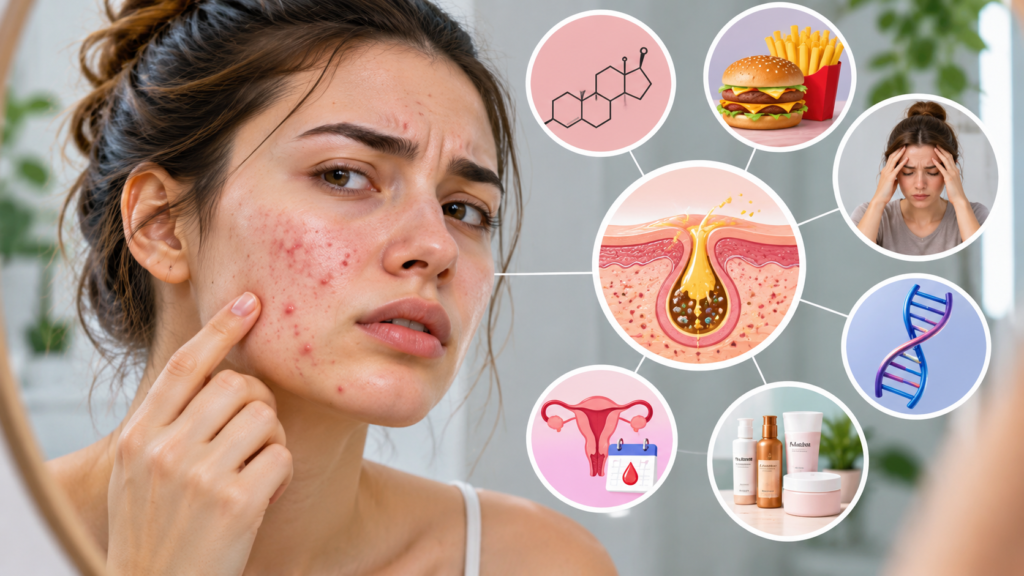
What causes acne? Acne develops when hair follicles become clogged with excess oil (sebum) and dead skin cells. Bacteria, inflammation, and hormonal changes can also contribute to breakouts. Acne is one of the most common skin conditions. It affects teenagers and adults and can develop at different stages of life. Acne is not necessarily a sign of poor hygiene. It can occur even when someone washes their face regularly and takes good care of their skin. Understanding what causes acne can help you identify possible triggers, avoid common skin care mistakes, and make informed choices about managing breakouts. For a broader understanding of this common skin condition, explore our complete guide to acne, including its causes, types, and treatment options. It provides an overview of acne and practical guidance on understanding your skin.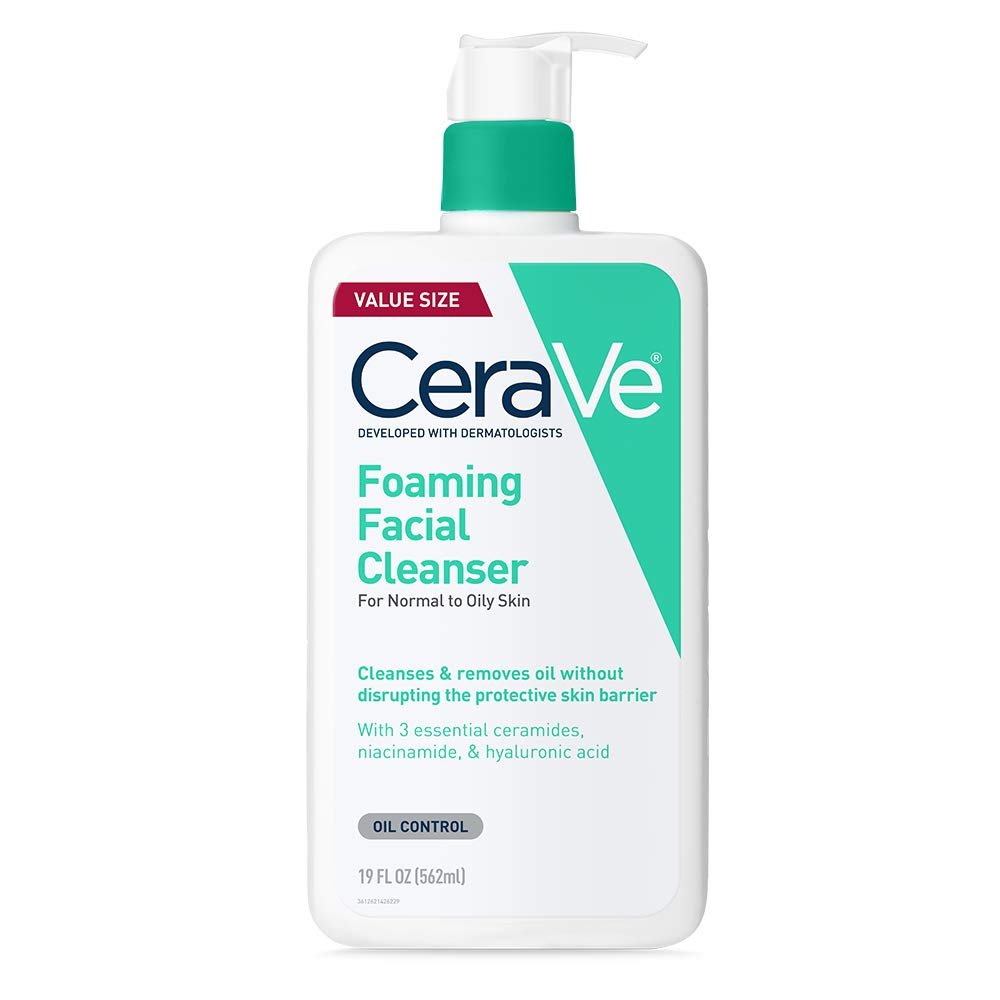
CeraVe Foaming Facial Cleanser
For normal to oily skin
Looking for a gentle cleanser for acne-prone skin? This popular option may help remove excess oil and everyday impurities.- Gently cleanses the skin.
- Helps remove excess oil.
- Contains ceramides and hyaluronic acid.
What Is Acne?
Acne is a common skin condition that develops when hair follicles become blocked with oil (sebum) and dead skin cells. These follicles contain sebaceous glands. The glands produce sebum, an oily substance that helps protect and lubricate the skin. When excess oil and dead skin cells accumulate, they can block the follicle opening. This creates an environment where acne spots can develop. Bacteria naturally present on the skin, particularly Cutibacterium acnes, can contribute to inflammation within blocked follicles. Depending on the degree of blockage and inflammation, acne may appear as blackheads, whiteheads, red bumps, or deeper painful spots.What Does Acne Look or Feel Like?
Acne can appear in several forms, including blackheads, whiteheads, papules, and pustules. To understand these differences better, explore our guide to the different types of acne and what they mean.- Blackheads: Small dark spots caused by open clogged follicles. Their dark appearance is not caused by dirt.
- Whiteheads: Small, skin-coloured or white bumps caused by blocked follicles beneath the skin surface.
- Papules: Small, raised, red or inflamed bumps.
- Pustules: Inflamed spots containing visible pus.
- Nodules: Larger, deeper, firm and often painful lumps.
- Cysts: Deep, inflamed acne lesions that may be painful and can increase the risk of scarring.
What Causes Acne? The Main Reasons Breakouts Develop
Acne usually develops through a combination of factors rather than one single cause.1. Excess Oil Production
Sebaceous glands produce an oily substance called sebum. Sebum helps maintain the skin barrier and prevents excessive dryness. However, some people produce more sebum than their skin needs. Excess oil can combine with dead skin cells and contribute to blocked pores. Increased oil production is particularly common during puberty because hormonal changes stimulate the sebaceous glands.2. Blocked Hair Follicles
Skin cells naturally shed and are replaced by new cells. Sometimes, dead skin cells accumulate inside hair follicles instead of shedding normally. When these cells mix with sebum, they can form a plug inside the follicle. This blockage may develop into a whitehead or blackhead. It can also contribute to inflammatory acne.3. Acne-Associated Skin Bacteria
Cutibacterium acnes is a bacterium that normally lives on human skin. It is not simply an infection acquired from another person. However, it can contribute to inflammation when conditions inside a blocked follicle favour its activity. The resulting inflammation can produce red, swollen, and sometimes painful acne spots.4. Hormonal Changes
Hormones are among the important factors influencing acne development. Androgens are hormones that can stimulate sebaceous glands to produce more oil. These hormonal changes commonly occur during puberty. Hormonal fluctuations can also contribute to acne in adults. Breakouts may become noticeable:- During puberty and adolescence.
- Around menstrual periods.
- During pregnancy.
- When starting or stopping certain hormonal contraceptives.
- During some conditions associated with hormonal imbalance.
5. Genetic Factors
Family history can influence a person’s likelihood of developing acne. If one or both parents experienced acne, their children may have a greater tendency to develop it. Genetics can influence oil production, skin inflammation, and how the hair follicles respond to hormonal changes. However, having a family history does not mean someone will necessarily develop severe acne.6. Certain Medicines
Some medicines may cause acne-like eruptions or worsen existing acne. Examples include certain corticosteroids, testosterone-related medicines, and some other prescribed treatments. Not every person taking these medicines develops acne. If breakouts begin after starting a new medicine, discuss the timing with a healthcare professional. Do not stop prescribed treatment without medical advice.Everyday Factors That May Make Acne Worse
Some lifestyle and environmental factors may aggravate acne in people who are already prone to breakouts.7. Stress
Stress does not directly cause every case of acne. However, it may worsen existing breakouts. Stress-related hormonal changes may influence oil production and inflammation. Managing stress, maintaining regular sleep, and allowing time for relaxation may support general skin health.8. Certain Skin Care and Cosmetic Products
Some moisturizers, sunscreens, makeup products, and hair products may contribute to blocked pores. Products labelled non-comedogenic are designed to be less likely to block pores. Look for lightweight products that suit your skin type. Heavy or oily formulations may not suit everyone with acne-prone skin.9. Diet and Eating Patterns
Diet may influence acne in some people, although the relationship is not fully understood. Research suggests that foods with a high glycaemic load may contribute to acne in susceptible individuals. These include foods and drinks that cause rapid increases in blood sugar. Some studies have also found an association between acne and certain dairy products, particularly milk. However, these associations do not prove that a particular food causes acne in everyone. There is no need to eliminate entire food groups automatically. A balanced diet is a sensible starting point.10. Friction, Pressure, and Sweating
Repeated rubbing and pressure against the skin may aggravate acne. This type of breakout is sometimes called acne mechanica. Possible contributing factors include:- Tight helmets and chin straps.
- Backpacks rubbing against the shoulders.
- Tight clothing and sports equipment.
- Repeated friction from face coverings.
- Prolonged contact with sweaty clothing.
11. Picking, Squeezing, and Scrubbing the Skin
Picking or squeezing acne spots can increase inflammation and damage surrounding skin. It may also increase the risk of dark marks and permanent scars. Scrubbing the face aggressively can irritate the skin and make existing acne more uncomfortable. Gentle cleansing is usually preferable to harsh scrubbing.Common Myths About What Causes Acne
Several misconceptions can make acne more frustrating than necessary.Does Poor Hygiene Cause Acne?
No. Acne is not simply caused by having a dirty face. Excessive washing can irritate the skin without preventing acne. Gentle cleansing is generally sufficient.Does Eating Chocolate Cause Acne?
There is no conclusive evidence that chocolate alone causes acne in everyone. Some chocolate products contain substantial amounts of sugar and dairy, which may influence acne in susceptible individuals.Does Sun Exposure Clear Acne?
Sun exposure is not a reliable acne treatment. Excessive ultraviolet exposure can damage the skin and worsen pigmentation left behind by acne. Daily use of a suitable non-comedogenic sunscreen helps protect acne-prone skin.Is Acne Only a Teenage Problem?
No. Acne can affect adults as well as teenagers. Some people develop acne for the first time during adulthood. Others continue experiencing breakouts after adolescence.What Can You Safely Do to Reduce Acne Breakouts?

Do Not Skip Moisturizer If You Have Acne
Acne-prone skin can still become dry or irritated, especially when using certain skin care products. Choosing a lightweight facial moisturizer may help maintain the skin’s natural moisture barrier. CeraVe PM Facial Moisturizing Lotion is a lightweight, oil-free option containing ceramides and niacinamide. View Product on Amazon →- Cleanse gently: Wash your face with a mild cleanser, generally twice daily and after heavy sweating.
- Avoid aggressive scrubbing: Use your fingertips rather than rough brushes or abrasive products.
- Choose suitable skin care: Consider non-comedogenic moisturizers, sunscreens, and makeup.
- Remove makeup before sleeping: Avoid leaving heavy cosmetic products on your skin overnight.
- Keep hair products away from your face: Some oily hair products may contribute to forehead breakouts.
- Avoid picking spots: Allow acne lesions to settle without squeezing them.
- Change sweaty clothing: Shower and change after exercise when practical.
- Observe possible triggers: Notice whether particular products, medicines, or lifestyle changes coincide with worsening breakouts.
- Protect your skin from sunlight: Use a suitable broad-spectrum sunscreen.
When Should You See a Doctor?
Many mild acne breakouts can be managed with appropriate skin care. However, professional assessment is important in certain situations. Consider seeing a doctor or dermatologist if:- Acne is painful, deep, or becoming widespread.
- You develop large nodules or cyst-like lesions.
- Acne is leaving permanent scars or persistent dark marks.
- Breakouts continue despite consistent skin care.
- Acne is affecting your confidence, mood, or everyday activities.
- Acne begins suddenly in adulthood or occurs alongside other possible hormonal symptoms.
- You are unsure whether the spots are actually acne.
Can Acne Cause Permanent Scarring?
Yes. Some forms of acne can cause permanent scars, particularly when inflammation affects deeper layers of the skin. Deep nodules and cyst-like lesions carry a greater risk of scarring than mild blackheads and whiteheads. Picking, squeezing, and delaying appropriate assessment may also increase the risk of skin damage. Early professional assessment is helpful when acne is severe or beginning to leave scars.Conclusion: Understanding What Causes Acne Is the First Step
Acne develops through a combination of excess oil production, blocked hair follicles, skin bacteria, and inflammation. Hormones and genetics can influence who develops acne. Stress, certain skin care products, diet, friction, and some medicines may worsen breakouts. Importantly, acne is not a sign of poor hygiene or personal failure. Gentle skin care, avoiding unnecessary irritation, and recognizing possible triggers are useful first steps. If acne is painful, persistent, widespread, or causing scars, seek professional advice. Effective care is available, and there is no need to struggle with severe acne alone.Frequently Asked Questions on What Causes Acne?
Acne mainly develops when hair follicles become blocked with excess oil and dead skin cells. Bacteria and inflammation contribute to the development of different acne spots.
Sudden acne breakouts may be associated with hormonal changes, stress, new skin care products, certain medicines, or other contributing factors. Persistent or unusual breakouts deserve professional assessment.
Yes. Adult acne is common and may occur even in people who did not experience significant acne during their teenage years. Hormonal changes and other factors can contribute.
Stress may worsen existing acne by influencing hormonal activity and inflammation. However, stress is not the only cause of acne.
No. Oily skin may increase the likelihood of blocked pores, but not everyone with oily skin develops acne. Acne also involves follicle blockage, bacteria, and inflammation.